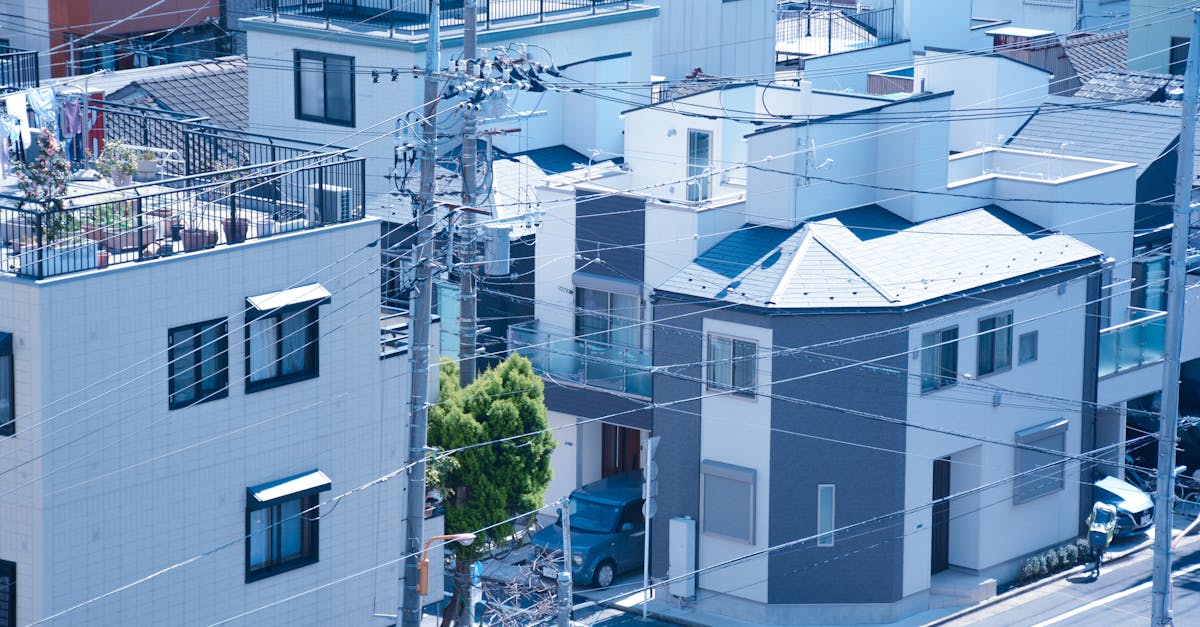
A single person can live in Tokyo for roughly 250,000 to 350,000 yen per month ($1,650-$2,300 at approximately 150 yen to the dollar). That range is wide because "Tokyo" covers everything from a shared house in Adachi ward to a 1LDK in Minato. Below is the full breakdown so you can budget with real numbers, not vibes.
If you are moving as a couple, do not simply double the figures -- shared rent and utilities bring per-person costs down significantly. A couple can expect 350,000-500,000 yen/month total.
Rent -- The Biggest Line Item
Rent will eat 35-45% of your budget. Here is what to expect as of early 2026 for a standard 1K or 1LDK apartment:
| Area | Monthly Rent (1K/1LDK) |
|---|---|
| Central 23 wards (Shibuya, Shinjuku, Minato) | 100,000-160,000 yen |
| Mid-ring wards (Setagaya, Suginami, Nakano) | 75,000-110,000 yen |
| Outer wards (Nerima, Adachi, Edogawa) | 55,000-80,000 yen |
| Western suburbs (Tachikawa, Hachioji) | 45,000-65,000 yen |
Most foreigners on their first move end up in the mid-ring wards -- good train access, lower rent than central, and actual neighborhoods instead of office towers.
Gotcha: Move-in costs in Tokyo are brutal. Expect to pay 4-5 months' rent upfront: first month, last month, security deposit (shikikin, 1-2 months), and key money (reikin, 0-2 months). Key money is not a deposit -- it is a "thank you" payment to the landlord. You will never see it again. On a 90,000 yen apartment, that is 360,000-450,000 yen before you buy a single piece of furniture.
If you want to avoid the key money hit, look for "reikin zero" (reikin nashi) listings on Suumo or Homes.co.jp -- they exist but the selection is smaller.
Takeaway: Budget 80,000-100,000 yen/month for rent if you want reasonable space with a manageable commute. Set aside 400,000+ yen for move-in costs separately.
Want to browse English-listed apartments and houses? Check current listings on Maneki Homes for properties across the Tokyo metro area.
Utilities and Phone
Monthly utilities for a 1K/1LDK apartment:
| Utility | Monthly Cost |
|---|---|
| Electricity | 6,000-12,000 yen (higher in summer/winter) |
| Gas | 3,000-5,000 yen |
| Water | 2,000-3,000 yen (billed every 2 months in most wards) |
| Internet (fiber) | 4,000-5,500 yen |
| Mobile phone (MVNO like IIJmio, Ahamo, LINEMO) | 1,000-3,000 yen |
Total utilities: roughly 16,000-28,000 yen/month.
Skip the big carrier plans from Docomo, au, and SoftBank -- their main plans run 7,000-10,000 yen/month for the same service you can get from their sub-brands or MVNOs for a third of the price. Ahamo (Docomo's sub-brand) gives you 20GB for 2,970 yen and works on the same network.
Gotcha: Electricity prices in Tokyo rose sharply in 2023-2024 due to global energy costs and the weak yen. The government subsidy that had been cushioning bills expired, and rates have stayed elevated. Budget on the higher end of the range, especially if you run AC in summer (you will -- Tokyo summers are 35C+ with extreme humidity).
Takeaway: Budget 20,000-25,000 yen/month for all utilities and phone combined.
Food -- Eating Well Without Going Broke
This is where Tokyo surprises people. You can eat extremely well for less than most Western capitals -- if you eat like a local.
| Category | Monthly Cost |
|---|---|
| Groceries (cooking most meals) | 30,000-45,000 yen |
| Eating out (lunch sets, ramen, gyudon chains) | 15,000-30,000 yen |
| Convenience store meals | 400-700 yen each |
| Supermarket bento | 300-500 yen |
| Restaurant dinner | 1,000-2,500 yen at casual spots |
A realistic food budget for someone who cooks half the time and eats out half the time: 40,000-60,000 yen/month.
Grocery tips that save real money: shop at Gyomu Super (business supermarket, open to everyone) or OK Store for bulk staples. Hit your local supermarket after 7pm for 20-50% discount stickers on bento, sushi, and prepared foods. Seiyu (Walmart-owned) tends to have the lowest baseline prices among major chains.
If you are coming from the US, UK, or Australia, you will notice that beef, cheese, and imported goods are expensive. Chicken, pork, tofu, eggs, and seasonal vegetables are cheap. Adjust your cooking and your grocery bill drops fast.
Takeaway: Budget 50,000 yen/month for food. You can go lower if you cook more, higher if you drink often or eat out daily.
Transportation
Tokyo's train system is the best urban transit in the world, and it is cheaper than owning a car by an enormous margin.
| Transport Type | Cost |
|---|---|
| Monthly commuter pass (average route) | 8,000-15,000 yen |
| IC card (Suica/Pasmo) per ride | 170-400 yen depending on distance |
| Bicycle (one-time purchase, used) | 5,000-15,000 yen |
| Car ownership (monthly total with parking) | 40,000-70,000 yen -- don't. |
Most employers provide a commuter pass allowance (tsukin teate) as part of your compensation. Check whether this is included in your offer -- it almost always is and it is tax-exempt up to 150,000 yen/month.
If your commute is short, a bicycle is the cheapest option. You legally need to register it (500 yen at the local police-affiliated office) and should get theft insurance.
Do not get a car in central Tokyo. Parking alone runs 20,000-40,000 yen/month in the 23 wards. Add insurance, shaken (inspection every 2 years, 100,000+ yen), gas, and tolls, and you are burning money you do not need to burn.
Takeaway: Budget 10,000-15,000 yen/month for transport unless your employer covers the pass.
Health Insurance and Pension
If you are employed, your company enrolls you in Shakai Hoken (social insurance). This is deducted from your paycheck -- roughly 14-15% of your gross salary, split between you and your employer. It covers health insurance, pension, and employment insurance. Your actual out-of-pocket is about 7-7.5% of gross.
If you are self-employed or on a spouse visa without employment, you pay Kokumin Kenko Hoken (national health insurance) through your ward office. Rates vary by ward and income but expect 15,000-40,000 yen/month depending on what you earned last year.
Either way, you pay 30% of medical costs at the point of service. A doctor visit runs 2,000-4,000 yen out of pocket. Prescriptions are cheap.
Gotcha: National pension (Kokumin Nenkin) is separate from national health insurance if you are self-employed. It is a flat 16,980 yen/month as of 2025 [NEEDS VERIFICATION for 2026 rate]. Missing payments can affect your visa renewal -- immigration checks pension records.
Takeaway: Budget 0 extra if employed (it comes out of your paycheck). Budget 30,000-55,000 yen/month for NHI + pension if self-employed.
I break down the full social insurance system -- including what happens when you leave Japan and how to claim your pension refund -- in the Settle Japan Relocation Guide. It is one of the things people most often get wrong.
Residence Tax -- The Bill Nobody Expects
Japanese residence tax (juminzei) is roughly 10% of your previous year's income, billed in June of the following year. If you arrive in Japan mid-year, you get a break -- you only pay on income earned in Japan, and the bill does not hit until the next June.
This means your first year in Japan feels cheap. Then June of year two arrives and you owe 10% of everything you earned in year one, either as a lump sum or in quarterly installments.
| Annual Income | Approximate Annual Residence Tax |
|---|---|
| 3,000,000 yen | 200,000-250,000 yen |
| 5,000,000 yen | 350,000-400,000 yen |
| 7,000,000 yen | 500,000-550,000 yen |
These figures are approximate and vary based on deductions and ward.
Takeaway: From month one, set aside 10% of your net income in a separate account for residence tax. Do not spend it.
The Full Monthly Budget
Here is a realistic middle-of-the-road budget for a single person in a mid-ring Tokyo ward:
| Category | Monthly (yen) | Monthly (USD approx) |
|---|---|---|
| Rent (1K in Suginami/Nakano) | 85,000 | $565 |
| Utilities + phone | 22,000 | $145 |
| Food | 50,000 | $330 |
| Transport | 12,000 | $80 |
| Health insurance (employed) | 0 (deducted from pay) | -- |
| Residence tax reserve | Set aside ~10% of income | -- |
| Personal/entertainment | 20,000-40,000 | $130-265 |
| Total | 189,000-209,000 | $1,250-1,385 |
Add NHI and pension if self-employed: 230,000-265,000 yen/month.
This does not include move-in costs, furnishing, or the residence tax reserve -- those are separate line items you need to plan for before arriving.
How Tokyo Compares to Other Japanese Cities
If Tokyo's numbers feel tight, consider that other cities are significantly cheaper:
| City | Estimated Monthly Cost (single) |
|---|---|
| Tokyo (23 wards) | 250,000-350,000 yen |
| Osaka | 200,000-280,000 yen |
| Fukuoka | 180,000-240,000 yen |
| Sapporo | 170,000-230,000 yen |
Fukuoka in particular has become popular with remote workers -- lower rent, great food, domestic airport in the city center, and a growing startup scene. If your job does not require you to be in Tokyo, you can live well for 30-40% less. Read more in our cost of living comparison across Japanese cities.
For a deeper look at housing options in any of these cities, Maneki Homes lists properties with English support across Japan's major metro areas.
What Salary Do You Need?
To live the budget above comfortably in Tokyo -- with room for savings and the occasional trip -- aim for a gross annual salary of 4,000,000-5,500,000 yen ($26,500-$36,500). That is realistic for:
- English teaching (entry level: 3,000,000-3,600,000 yen, tight but doable)
- Mid-level corporate roles (4,500,000-7,000,000 yen)
- Tech roles (5,000,000-12,000,000+ yen)
- Remote work on a foreign salary (depends on your employer, but the yen exchange rate currently works in your favor if paid in USD, EUR, or GBP)
If you are earning under 3,500,000 yen gross in Tokyo, you will need to be careful with spending. Not impossible -- plenty of people do it -- but there is less margin for error.
For a full breakdown of how to budget your move, including the move-in costs, first three months of expenses, and how to handle the gap before your first paycheck, grab the Settle Japan Relocation Guide. It maps out the exact financial timeline so nothing catches you off guard.
Next Steps
- Pick your target ward. Use Suumo's map search to browse rents by area and find the sweet spot between your budget and your commute.
- Calculate your move-in reserve. First month + deposit + key money + furnishing = your landing fund. Aim for 600,000-800,000 yen minimum.
- Set your residence tax aside from day one. Open a separate bank account and automate a 10% transfer.
- Lock in a cheap phone plan. Sign up for Ahamo or IIJmio immediately after getting your residence card. You need a Japanese phone number for everything.
Tokyo is not cheap, but it is not the financial black hole that some Reddit threads make it sound like. With realistic expectations and a solid budget, you can live well here.
*Settle Japan provides relocation consulting, not legal advice. Immigration rules and costs change -- verify current requirements with your local immigration bureau or a licensed administrative scrivener (gyosei shoshi). Cost figures in this article reflect approximate ranges as of early 2026 and will vary based on lifestyle, location, and exchange rates.*
Want the full step-by-step?
The Settle Japan DIY Relocation Guide walks you through everything -- visas, budgets, housing, and the exact order to do it all.